


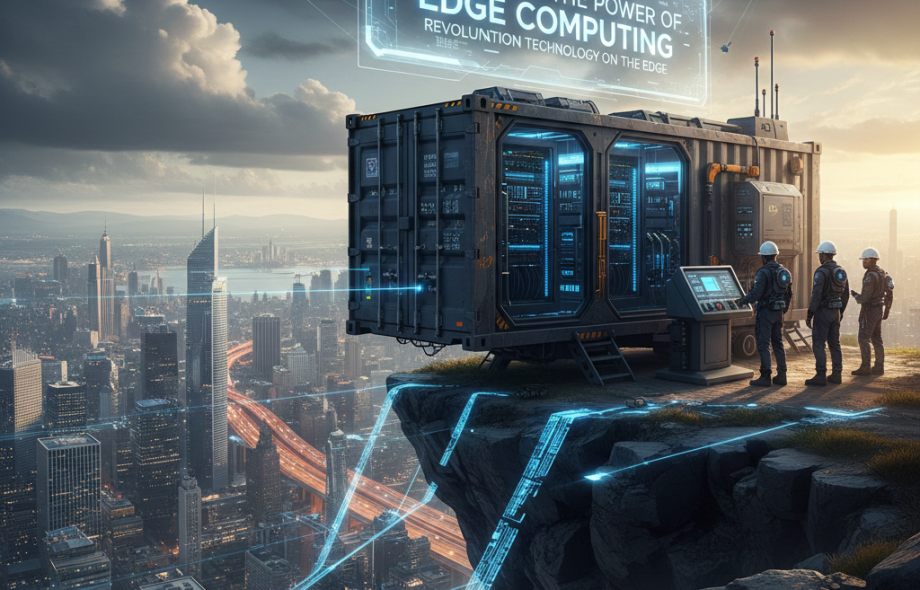
Edge computing, a disruptive technology trend that is gaining traction in the tech world, is revolutionizing the way data is processed and analyzed. This groundbreaking concept involves moving computing power closer to where data is being generated, rather than relying on a centralized data center. By bringing processing power closer to the source of data, edge computing enables real-time data analysis and faster decision-making, making it a game-changer in various industries.
One of the key benefits of edge computing is its ability to reduce latency. By processing data near its source, edge computing minimizes the time it takes for data to travel back and forth between devices and the cloud. This is particularly important in applications that require real-time responsiveness, such as autonomous vehicles, smart cities, and industrial automation. With edge computing, devices can make split-second decisions without relying on a distant data center, significantly improving efficiency and performance.
Another advantage of edge computing is its potential to improve security and data privacy. By processing and storing data locally, organizations can minimize the risk of data breaches and unauthorized access. This is especially crucial in industries that handle sensitive information, such as healthcare and finance. With edge computing, organizations can maintain greater control over their data and ensure that it remains secure and protected.
In addition to latency reduction and improved security, edge computing also offers scalability and cost-effectiveness. With edge devices becoming increasingly powerful and affordable, organizations can easily deploy edge computing solutions without incurring significant costs. This scalability allows businesses to expand their edge infrastructure as needed, adapting to changing demands and requirements.
As the adoption of edge computing continues to grow, the technology is poised to revolutionize various industries, from healthcare and manufacturing to retail and transportation. With its ability to deliver real-time insights, enhance security, and improve scalability, edge computing is reshaping the way data is processed and utilized. By embracing this innovative technology, organizations can stay ahead of the curve and unlock a world of new possibilities.
In conclusion, edge computing is a transformative technology that is reshaping the digital landscape. With its ability to reduce latency, enhance security, and improve scalability, edge computing is revolutionizing the way data is handled and analyzed. As organizations across industries continue to embrace this trend, the potential for innovation and growth is limitless.
 :
https://www.pinterest.com/xceltec0192/
:
https://www.pinterest.com/xceltec0192/









