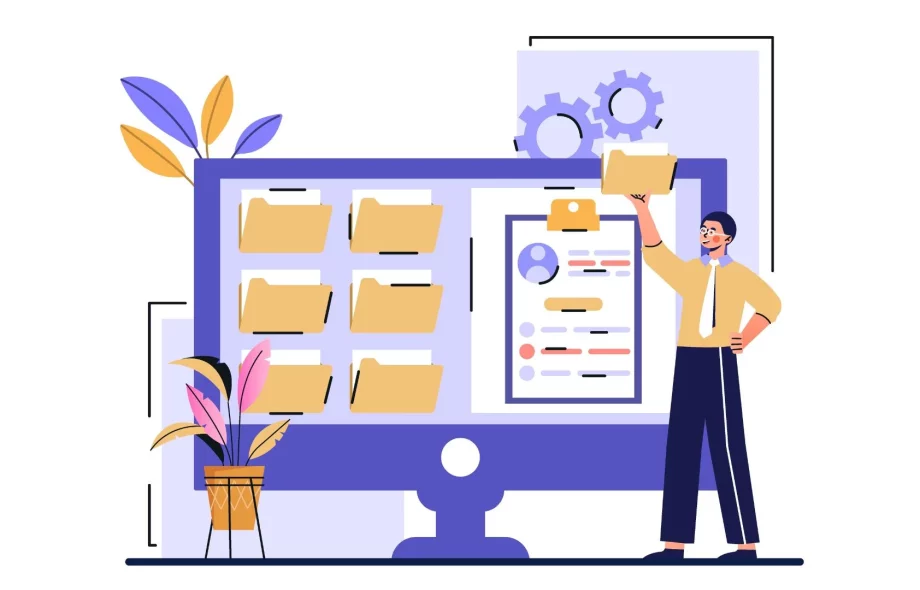
Employee records management is an essential function for any organization that aims to operate efficiently, remain compliant with regulations, and make informed decisions. It involves the systematic handling of employee-related information, from hiring documents to performance evaluations and payroll records. When managed properly, these records serve as a reliable foundation for both administrative processes and strategic planning.
At its core, employee record management system ensures that all employee data is accurate, up-to-date, and easily accessible when needed. This includes personal details, employment history, attendance records, compensation data, and legal documentation. Maintaining such records helps organizations track employee progress, evaluate performance, and address workplace issues with clarity and fairness.
One of the primary benefits of effective records management is improved compliance. Labor laws and regulations often require organizations to maintain specific employee data for a defined period. Proper documentation helps avoid legal complications, penalties, and disputes. It also ensures transparency, which is critical during audits or internal reviews.
Another important aspect is data security. Employee records contain sensitive information, making them a target for unauthorized access or misuse. A well-structured records management system includes security measures such as restricted access, encryption, and regular monitoring. This not only protects employee privacy but also builds trust within the workforce.
Digital transformation has significantly changed how employee records are managed. Traditional paper-based systems are gradually being replaced by digital platforms that offer better organization, faster retrieval, and reduced storage costs. Digital systems also enable automation, minimizing manual errors and saving time for administrative staff. Features like search functionality and cloud storage further enhance efficiency and scalability.
Consistency and standardization play a crucial role in managing employee records effectively. Organizations should establish clear policies on how data is collected, stored, updated, and deleted. Standard formats and procedures ensure that records remain uniform across departments, reducing confusion and improving collaboration.
Regular audits and updates are equally important. Outdated or inaccurate records can lead to poor decision-making and operational inefficiencies. Conducting periodic reviews helps identify gaps, correct errors, and ensure that all records reflect current information. This practice also supports better workforce planning and resource allocation.
Training staff on proper records management practices is another critical factor. Employees responsible for handling records should understand the importance of accuracy, confidentiality, and compliance. Providing clear guidelines and regular training sessions can significantly improve the overall quality of recordkeeping.
In addition, employee records management supports strategic decision-making. By analyzing historical data, organizations can identify trends related to employee performance, turnover, and productivity. These insights can guide policies, improve retention strategies, and enhance overall workplace effectiveness.
In conclusion, employee records management and HRMS software is more than just administrative work; it is a strategic function that contributes to organizational success. By ensuring accuracy, security, and accessibility of employee data, organizations can streamline operations, maintain compliance, and foster a transparent work environment. Investing in efficient records management practices ultimately leads to better decision-making and long-term growth.
 :
https://in.pinterest.com/superworks_official/
:
https://in.pinterest.com/superworks_official/